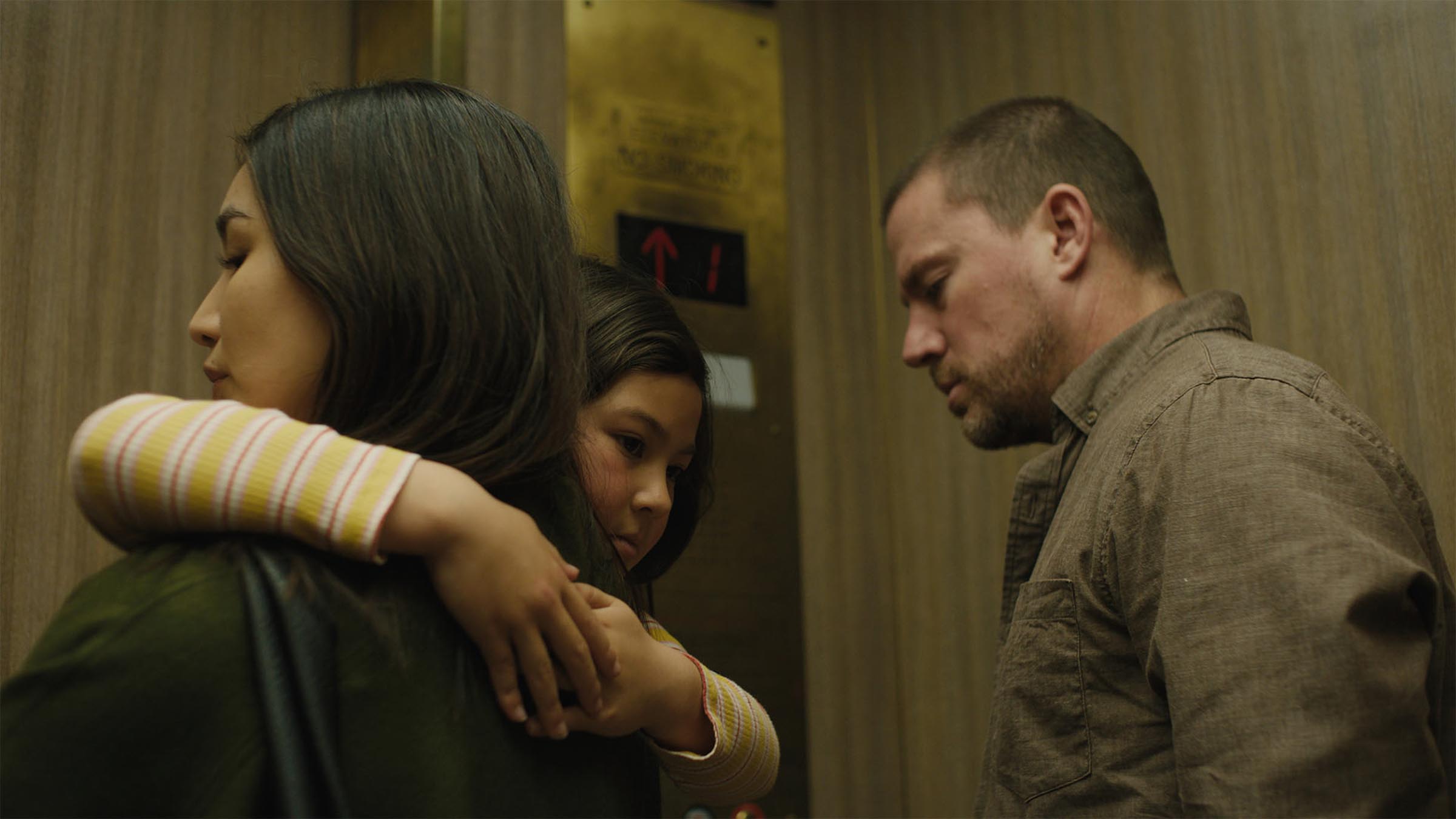
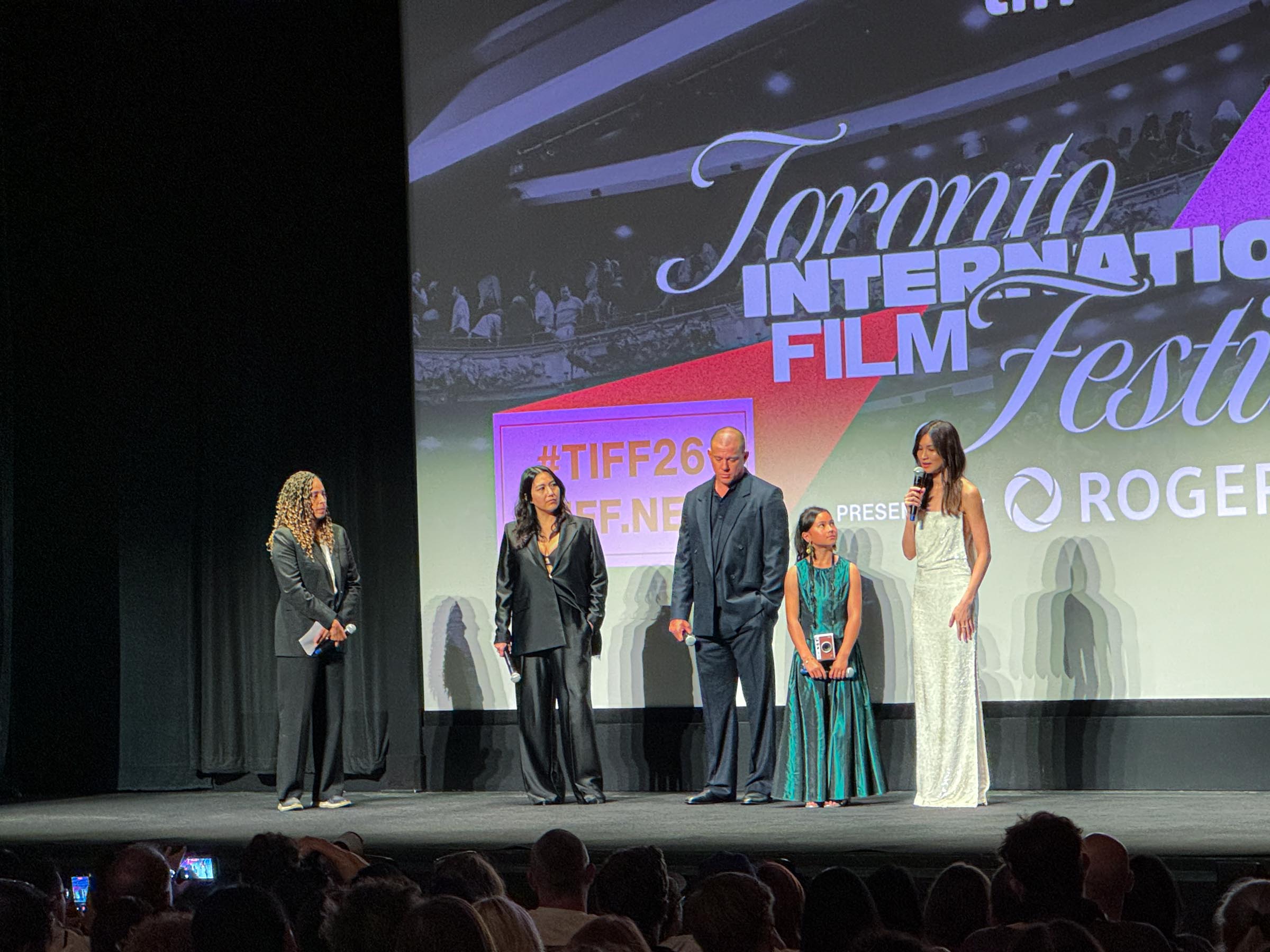
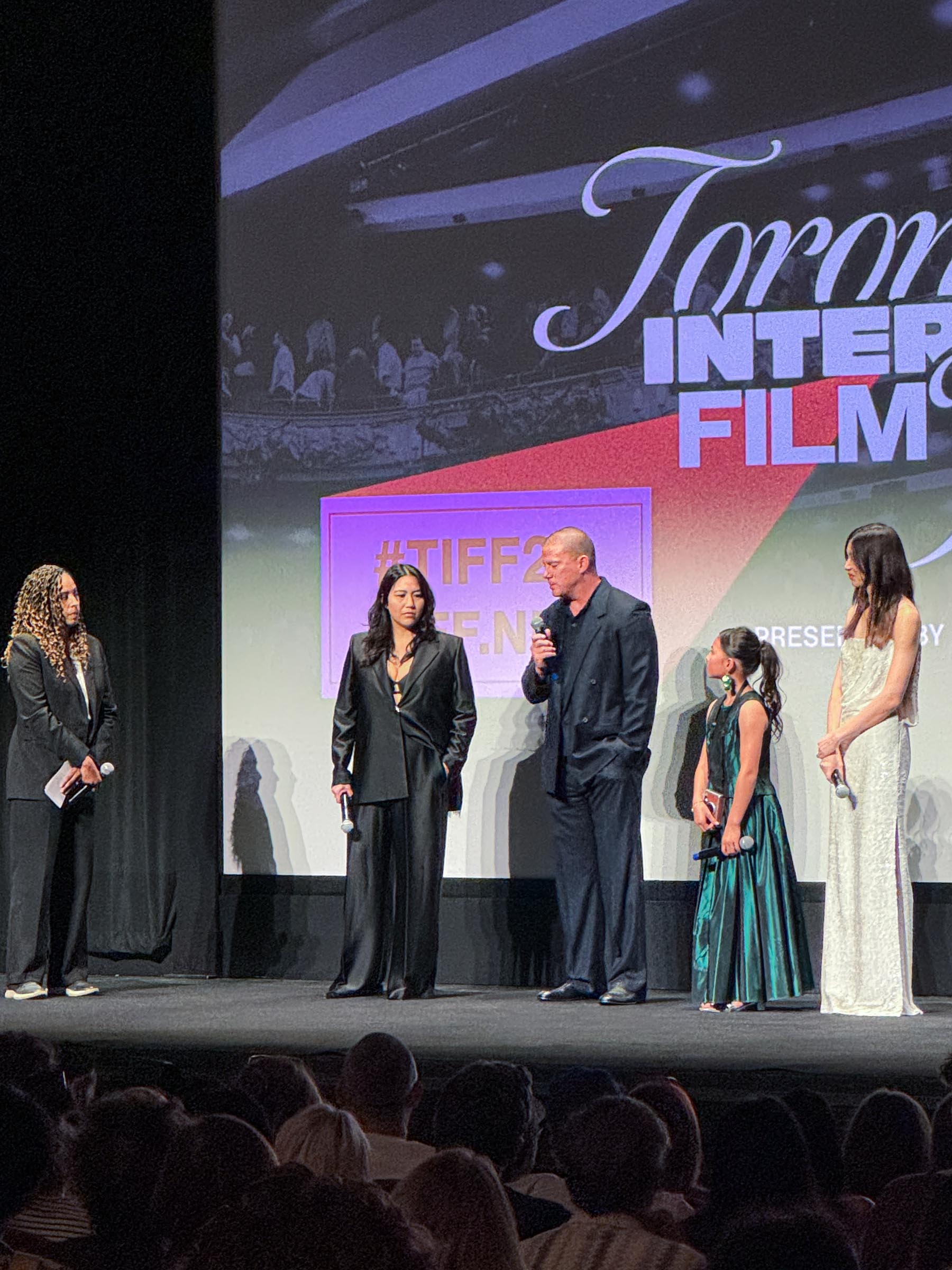
Every year at the Toronto International Film Festival there is one film that stands out the most. It moves the audience and captures our minds. Long after the theatre is empty and the crowd is gone: the story, the message, they live in our heads. Arguably, this year, this film is Josephine.
In this extraordinary piece – inspired by director Beth de Araújo’s own life – the strongest human emotions come like waves, often so similar to the real ocean waves that we see on screen.
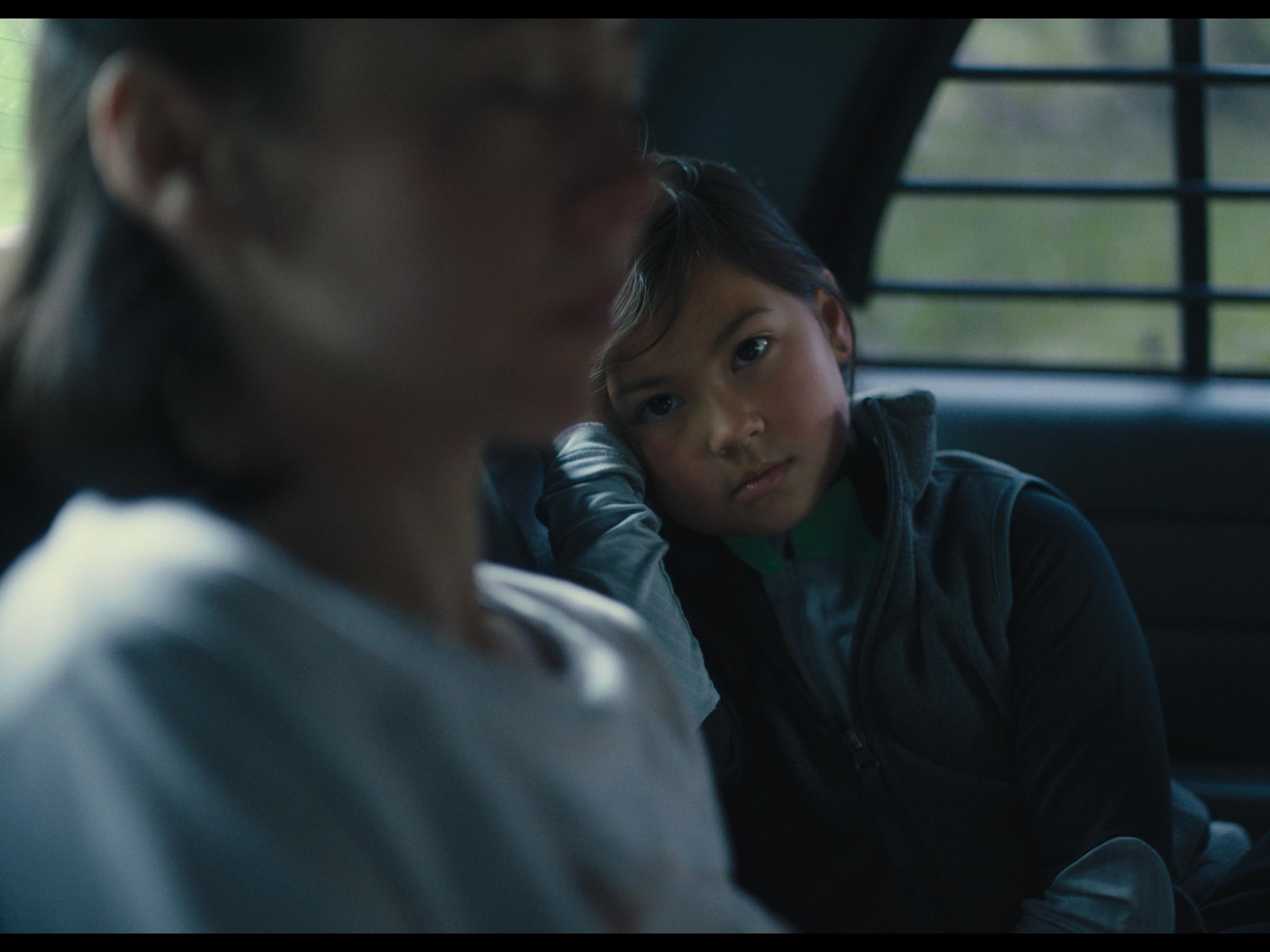
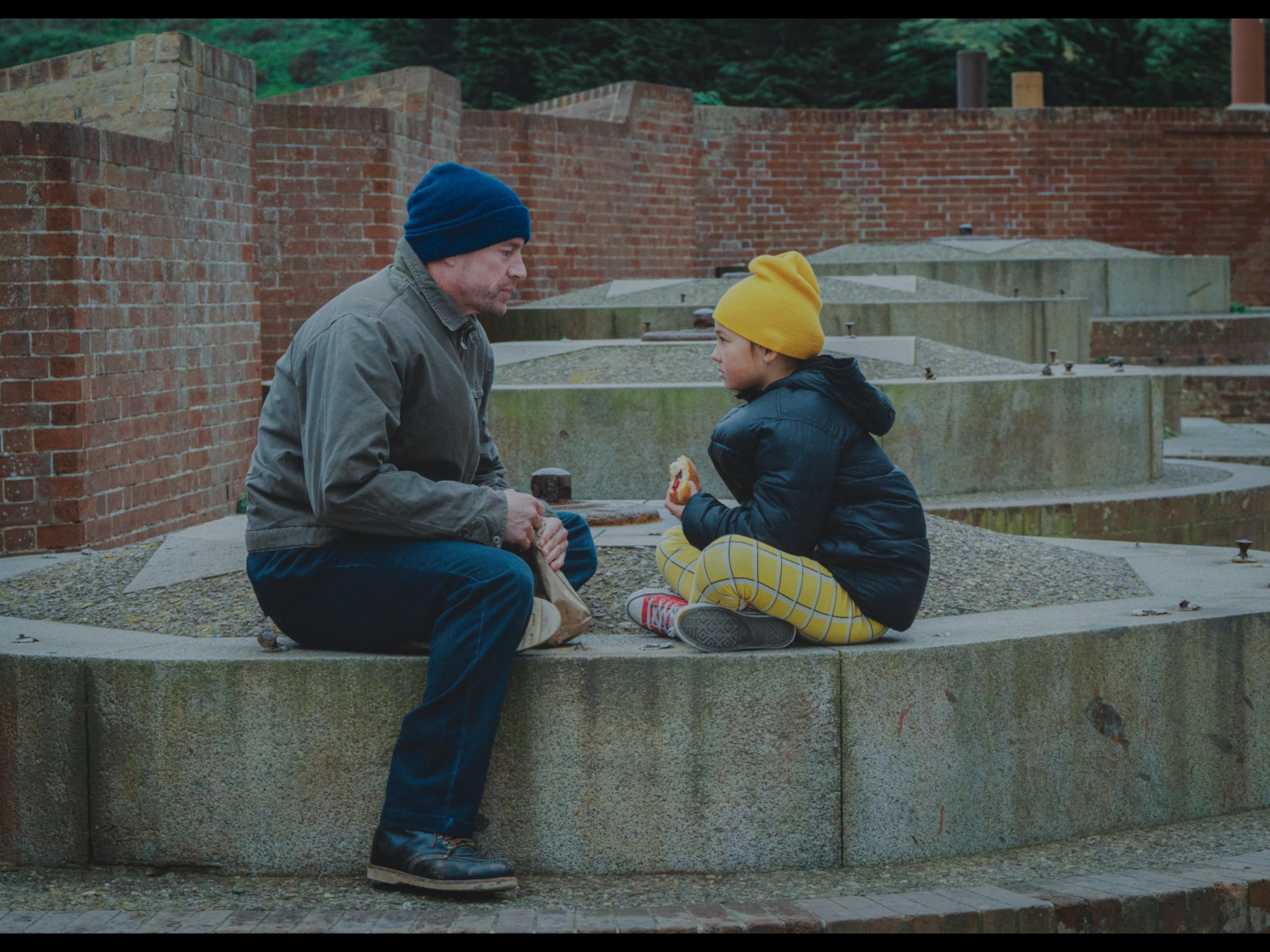
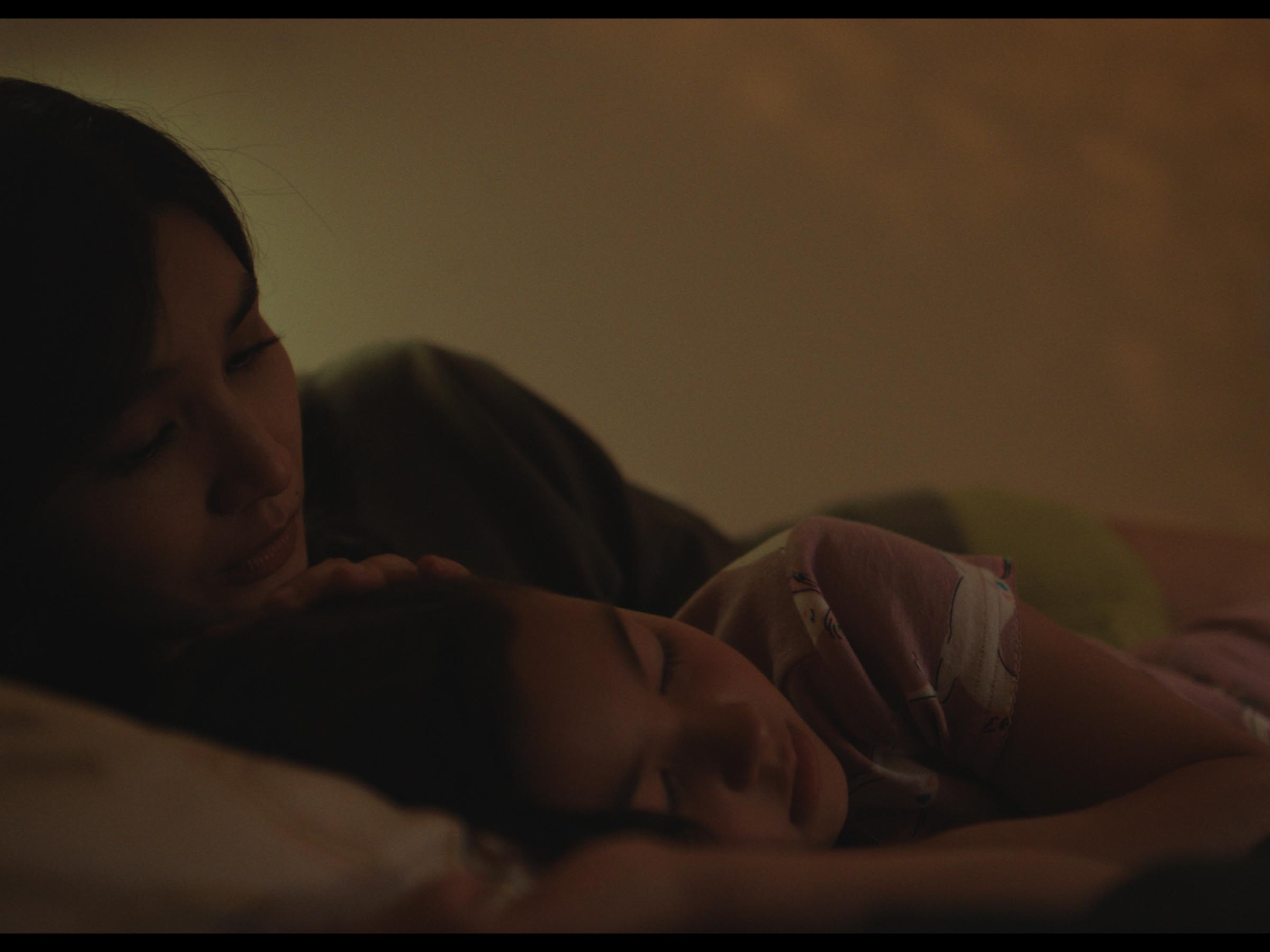
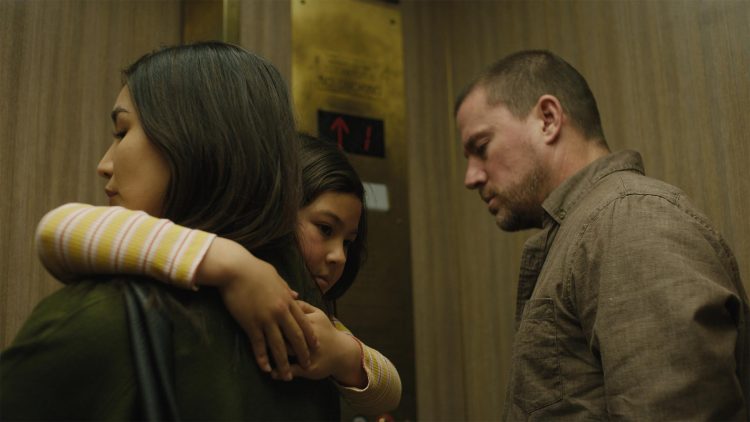
The story takes eight-year-old Josephine (Mason Reeves) and her father Damien (Channing Tatum, TIFF ’25’s Roofman) on a run through Golden Gate Park, when they witness a woman being sexually assaulted. Though her father manages to stop the attack, the event leaves Josephine emotionally scarred. The entirety of the film is the aftermath of that incident. It shows the reactions, coping mechanisms and resolutions that Josephine, her father and mother (Gemma Chan), and everyone around them experience in the months that follow.
Although not every woman has experienced sexual assault herself, it is Josephine and her mother’s fear that will speak to every girl and woman watching. That fear we have when walking alone in isolated spaces, when we see a group of men suddenly approach us, when we catch a man staring at us for no apparent reason. Every girl and woman has experienced that, which is why this film speaks to all of them on such a profound level.
Mason Reeves shines as Josephine, both when she speaks and when she says nothing at all. Tatum and Chen are equally wonderful, especially given the contrasts of how their characters treat the relationship with their daughter and their opposing reactions to the situation their family has been unwillingly placed in.
Nature plays a central role in Josephine‘s cinematography, showing its silent beauty and power. When juxtaposed with the most emotionally heavy scenes, it acts as both a relief and a symbol to struggle, overwhelm and bravery.
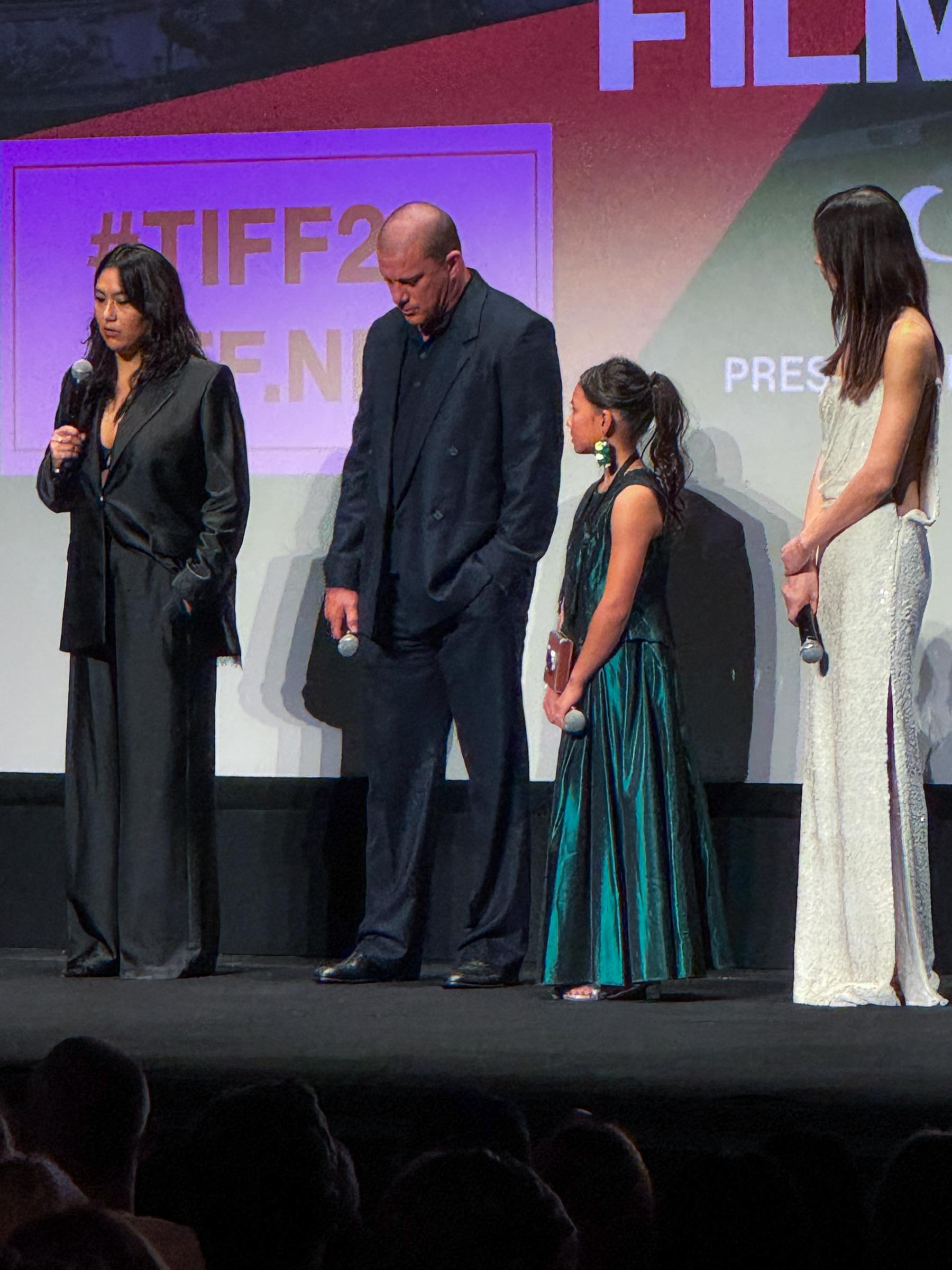
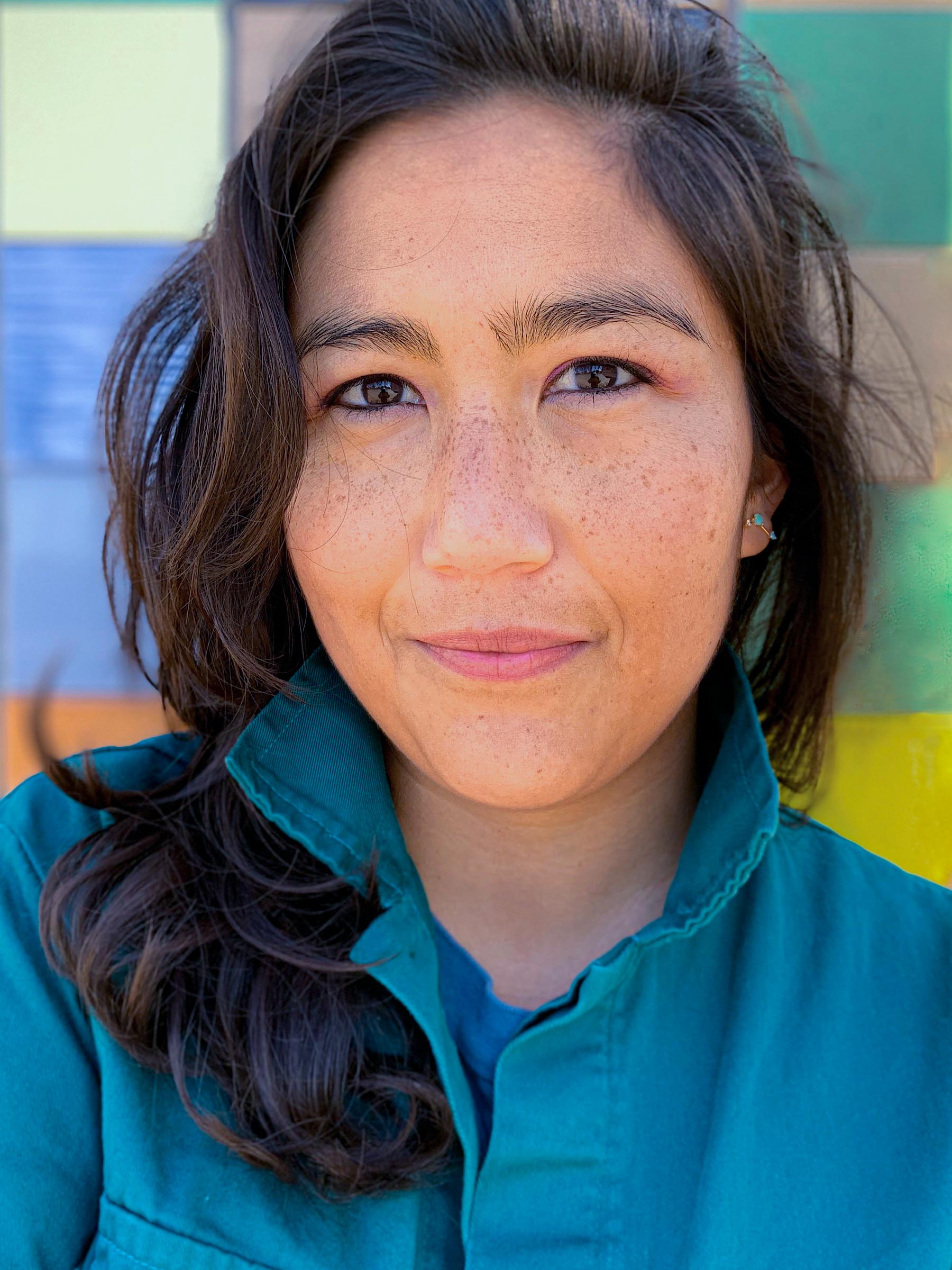
In her statement to the media, de Araújo touched on many of these complex themes.
“When is the right time to tell a child what rape means?” she asked. “I do not know the answer to this. It is so understudied, underreported, and underresourced.
“When I was 8 years old, I was running in Golden Gate Park with my dad, and we interrupted a rape. My father chased after him, and I stayed back with the woman while she picked herself up off the ground and put her clothes back on. Witnessing her pain left me terrified of male violence and aggression. I suffer from hypervigilance because of that morning.
“As I grew older, the only way to get myself out of it was to completely immerse myself in a community where I felt like I could talk about it all the time. I became a certified Witness Advocate who accompanied victims to the hospital and also worked for the Los Angeles Rape and Battering Crisis Hotline.
“I’ve asked myself many times why I’ve insisted on telling this story. Interrupting a rape when I was that young is an experience that is very hard for me to talk about. Perhaps this is one reason why I insisted on making it – to share this story with a collective voice more powerful than my own.
“I wanted JOSEPHINE to be an exploration of my hyper-vigilance over the years, how it has been pushed to the extremes of sleepless paranoia through the reality of how unsafe it is to be a girl moving through the world, and how all of us have normalized precautionary routines to protect our bodies.
“I think it’s reductive to say that I was left with trauma. Of course I was. But that is so unspecific. The residual effects of that morning changed who I have become. Pretending that this pervasive issue doesn’t exist, letting it live only in silence, never allows us to collectively confront an issue that simply needs addressing. I hope this film gives us all more freedom to speak on the matter.”
Josephine is scheduled to be released on November 20, 2026.
Photography by Hannah Yakobi and courtesy of TIFF.









Join In On The Conversation!