
Every year, our team spends several months preparing for the Toronto International Film Festival (TIFF). This was our 15th year of covering the event and the process leading up to it is always the same: we carefully research and select the premieres to attend and cover, then thoroughly review those films that made our list.
Here’s a closer look at 3 films from this year’s festival that give us plenty to talk about.
Bitter Christmas

Bitter Christmas may be set around the holiday season, but this period of festivities intensifies the feelings and emotions of the main characters, reminding them of grief, creative blocks and betrayal.
Pedro Almodóvar’s last appearance at TIFF was in 2023, when he screened Strange Way of Life. Although the filmmaker did not travel to the festival this year, he sent a special video message that prefaces the film, in which he explains the trajectory of character development and their interactions in the story.
Bitter Christmas explores the themes of creativity, life versus fiction, and fleeting moments of inspiration. The story within a story follows an established screenwriter, Raúl, who is trying to write his next film, basing his characters on people in his inner circle. He writes about Elsa, a “cult” filmmaker who devoted herself to advertising but wants to get back to cinema. Both of them almost ruin their relationships.
As in all of Almodóvar’s films, the characters are memorable, the picture is deliciously colourful, and the eye travels as it devours the story. The juxtaposition of red and green reminds us that it is Christmas after all: but it also signals how characters experience feelings in the film, especially when these colours are juxtaposed in their clothing during moments of conflict. For every Almodóvar, film and art fan: this is the film to see.
– Reviewed by Darina Granik and Hannah Yakobi
The Beloved

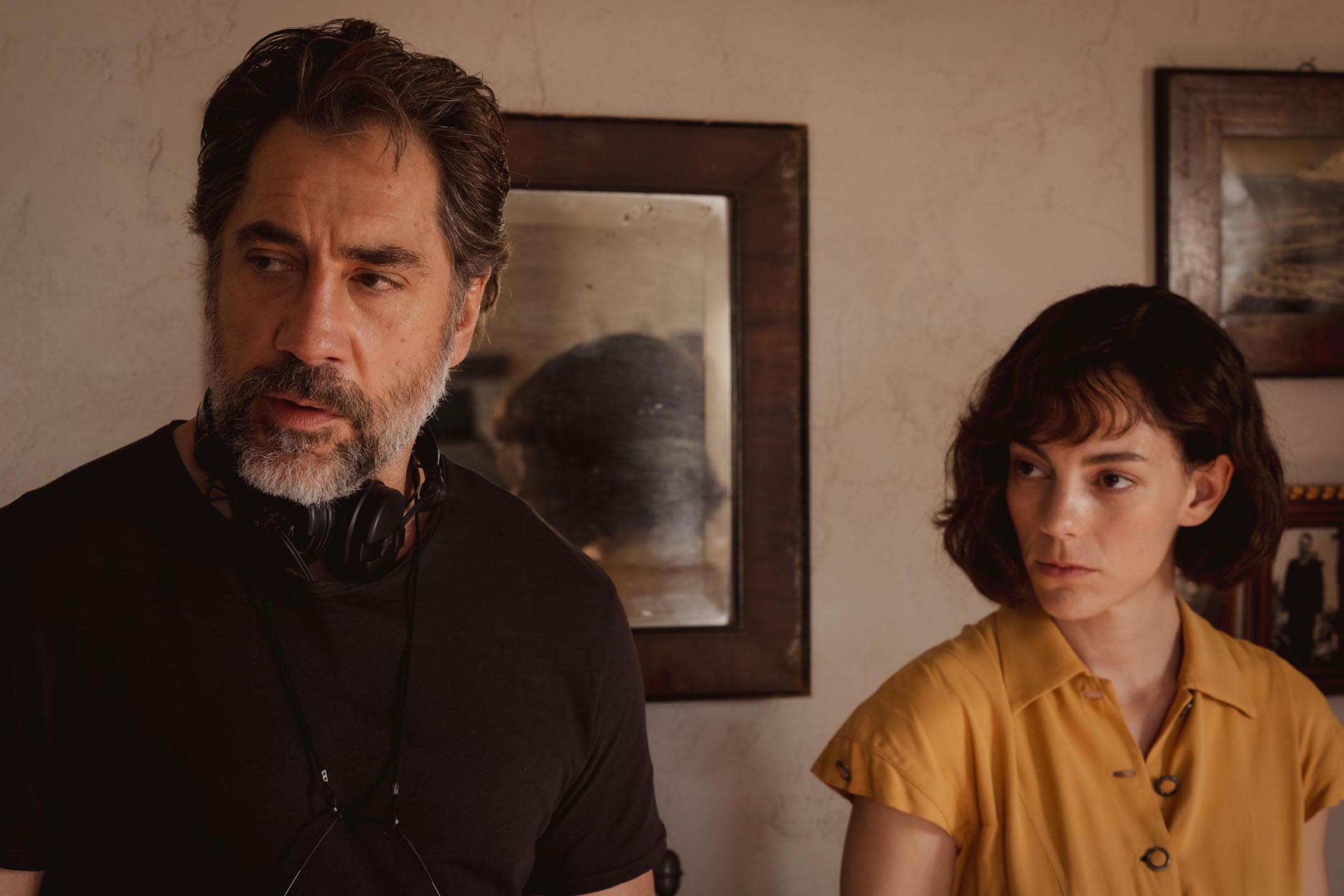
This film opens with a very unique 20-minute scene (which was continuously filmed by the director) set in a restaurant, where acclaimed director Esteban Martínez (Javier Bardem) meets his estranged daughter Emilia Vera (Victoria Luengo) to offer her a role in his upcoming movie.
What makes The Beloved so interesting is the way it pulls back the curtain on filmmaking. We get to see what the director and crew go through, the pressure behind the scenes and just how challenging and stressful making a movie can be. But beneath all that is the unfinished business between a father and a daughter. As the story unfolds, the professional and personal worlds begin to collide, creating a tense and emotional experience.
“From the script stage, we made a conscious decision to break away from the rules of the drama genre” says director Rodrigo Sorogoyen. “The result was a strange and beautiful text about a father and his daughter, two seemingly ordinary people with family conflicts, existing in the world of cinema.”
The Beloved feels raw and real, and so does the acting. Both Bardem and Luengo deliver performances that feel incredibly honest and unfiltered. The atmosphere is tense and serious, but there are also some genuinely funny moments that break the tension and give the film a nice balance.



– Reviewed by Ania Isabel
The Liberation
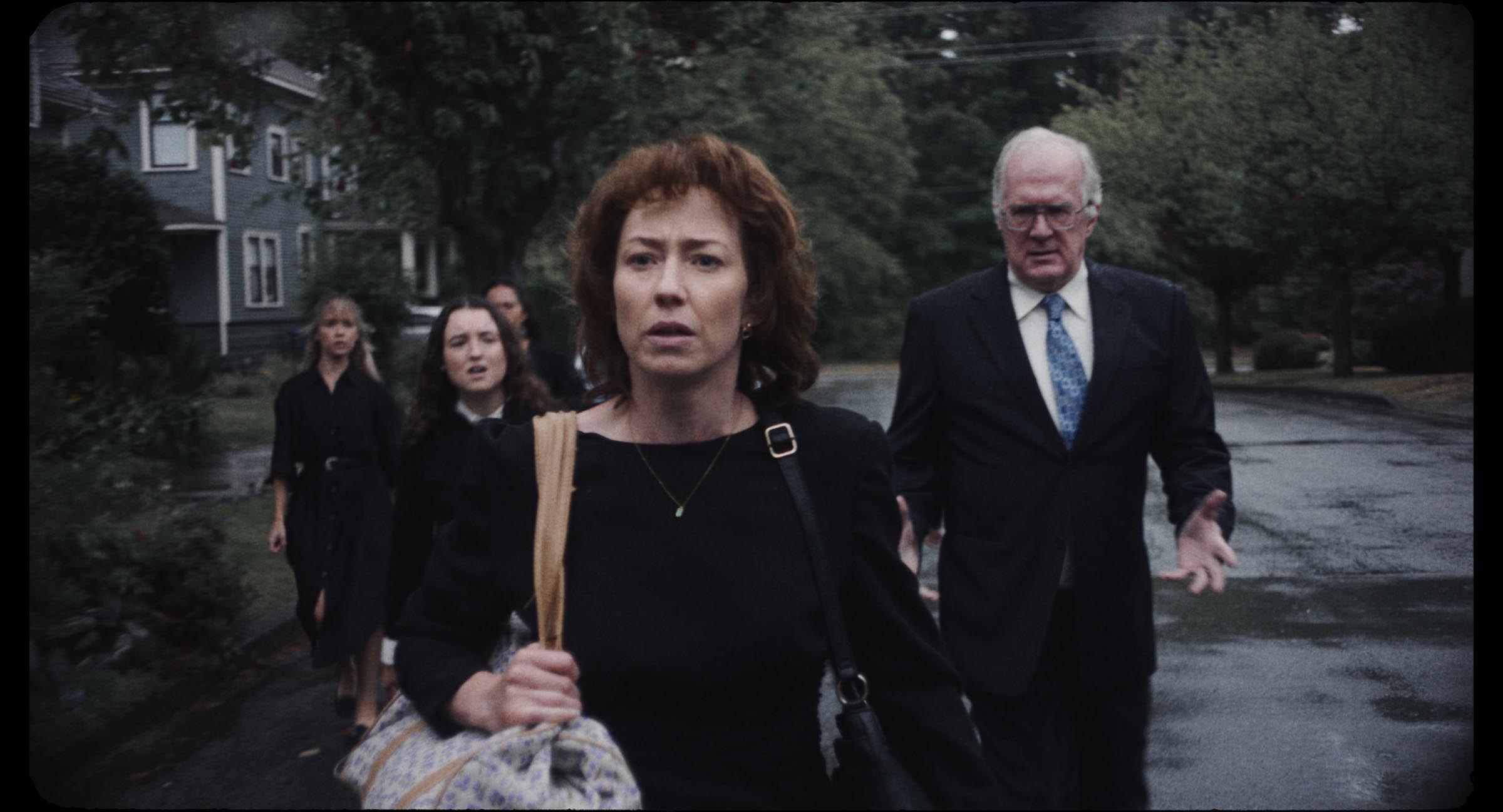
The Liberation is an interesting and unsettling psychological drama that explores loneliness, identity, and the desire to escape the life you’ve built for yourself. What makes the movie work is that it doesn’t immediately present the situation as something obviously dangerous. Instead, it allows you to understand why someone would be drawn to it in the first place.
That psychological complexity feels even more powerful when you understand how personal The Liberation is for its director, Guy Nattiv. The Oscar-winning filmmaker, whose previous work includes Skin, Golda and Tatami, co-wrote the film with Noa Berman-Herzberg and drew inspiration from the extraordinary story of his own grandmother, who survived the Holocaust and later became involved with a cult. That personal connection gives the film an added layer of compassion, because Nattiv seems less interested in judging Rita than in understanding what could make a woman abandon the life she knows in search of something that feels like freedom.
Carrie Coon leads an exceptional cast as Rita, opposite Lily James as the charismatic Ricki, with Bella Ramsey and Odessa Young playing Rita’s daughters, Ella and Jo, and Tracy Letts as her husband, Reuben. Together, the ensemble makes the story feel less like a conventional film about a cult and more like an intimate family drama about trauma, vulnerability and the complicated difference between escaping your life and actually liberating yourself.
The performances are easily one of the strongest parts of the film. Carrie Coon gives a very convincing performance as a woman who has spent much of her life putting everyone else first and begins to discover a completely different version of herself. Lily James is equally compelling, particularly because her character isn’t portrayed as an obvious villain. There is a charm and confidence to her that makes it believable that people would be drawn to her.
It is captivating the way the movie gradually changes its atmosphere. In the beginning, there is something almost exciting and liberating about the new world Rita discovers. As the story progresses, that feeling becomes increasingly uncomfortable, and you begin to question whether the freedom being offered is actually freedom at all.


– Reviewed by Karley Magee
Photography by FAJO’s team and courtesy of TIFF.











Join In On The Conversation!