
There are films you watch, and then there are films that seem to move through you. La Bola Negra belongs firmly to the latter. Directed by Javier Calvo and Javier Ambrossi, the Spanish filmmaking duo known as Los Javis, the film is a breathtaking exploration of love, sexuality, memory and the connection between generations. Inspired by Federico García Lorca’s unfinished work of the same name and Alberto Conejero’s La piedra oscura, the story moves through three periods in Spain (1932, 1937 and 2017), connecting the experiences of gay men through desire, loss, identity and the complicated inheritance of those who came before them.
One line stayed with me long after the film ended: “Time flows through the dreams like a little ship.” It is a beautiful image, but within the context of La Bola Negra, it is also devastating. There is something almost cruel about the simplicity of it. Life keeps moving through everything we experience, carrying our dreams, relationships and memories with it. The film understands that love is never guaranteed the circumstances it deserves, and for generations of LGBTQ+ people, the opportunity to express that love openly was something the world actively denied them.
By moving between generations, La Bola Negra connects the freedoms of the present with the enormous hurdles faced by those who came before. There were people who could not love openly, whose relationships existed behind closed doors, and whose identities could expose them to rejection, persecution and violence. Lorca himself was murdered in 1936, leaving La Bola Negra unfinished, and that absence hangs over this film in a profound way. His unfinished work becomes symbolic of countless lives, relationships and dreams that history never allowed to reach their natural conclusions.
Yet what makes the film so extraordinary is that it refuses to reduce LGBTQ+ history to suffering. There is pain here, certainly, but there is also desire, humour, sensuality, friendship, music, tenderness and tremendous beauty. The people who came before were not simply victims of their circumstances. They fell in love. They wanted. They dreamed. They laughed. They experienced moments of happiness even when the world around them made that happiness difficult or dangerous to claim. La Bola Negra gives those emotions as much importance as the tragedy, and in doing so makes its characters feel wonderfully, messily alive.
Perhaps the film’s most powerful message is that remembering the past should influence how we choose to live in the present. Today’s LGBTQ+ community carries the memory of people who fought for freedoms they themselves were not always able to experience. Honouring them means remembering those struggles without allowing ourselves to become trapped within them. We have to take the life we have been given and use it to love out loud, because joy can itself become an act of remembrance. Every relationship lived openly and every person who refuses to hide becomes part of a story previous generations helped make possible.
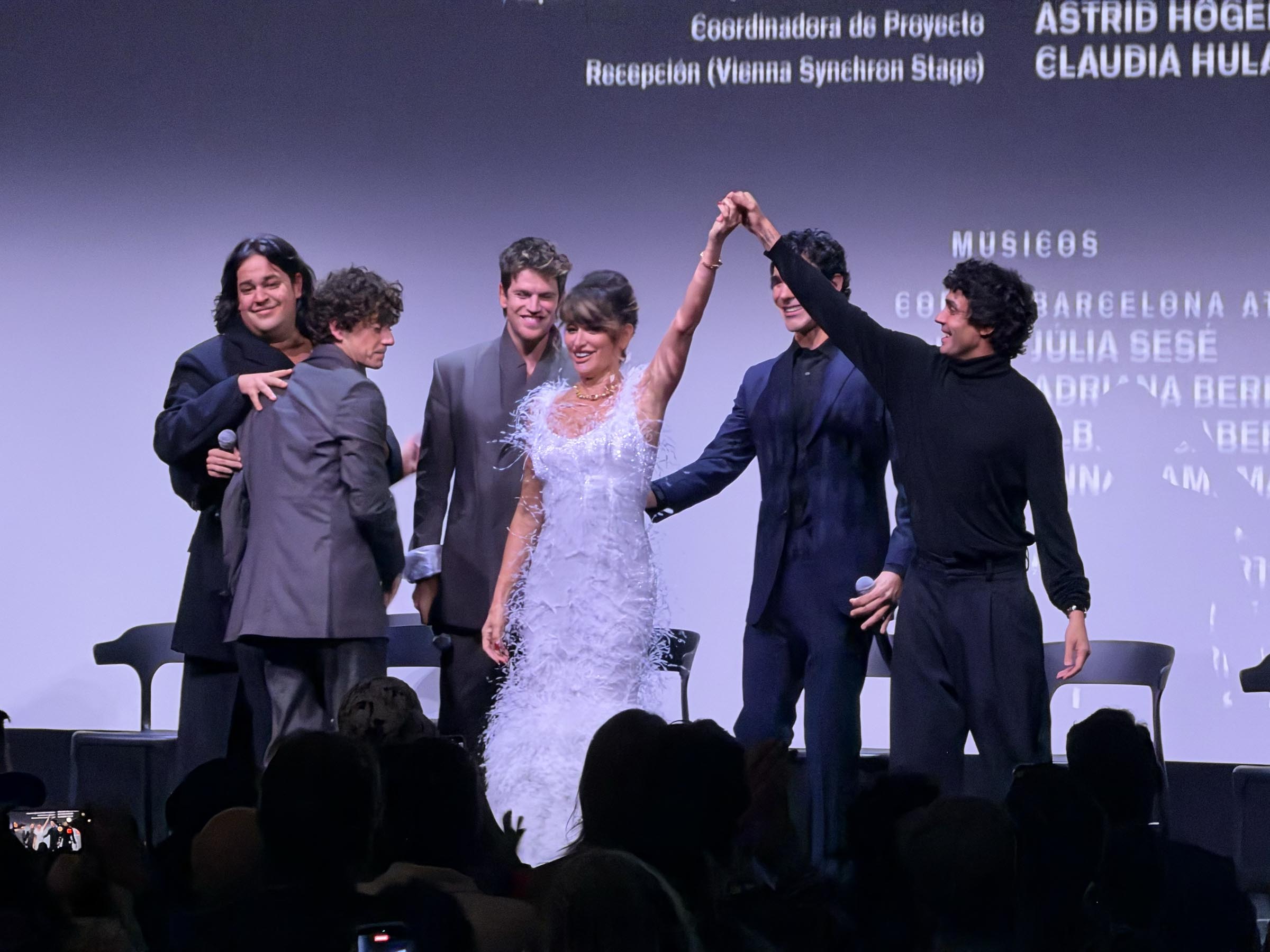
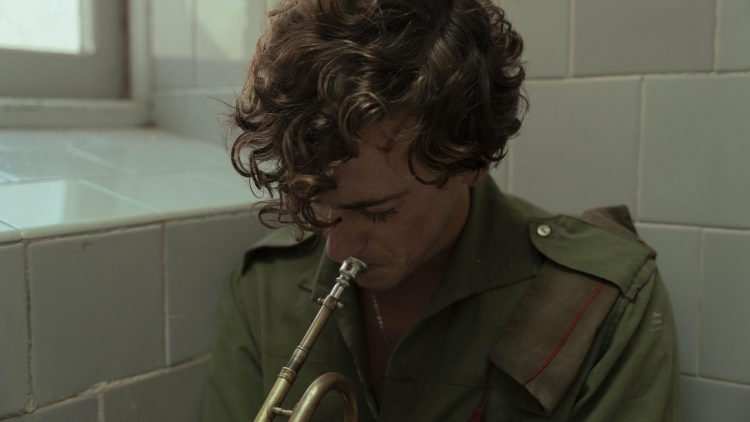
The performances give this ambitious story its emotional intimacy. Guitarricadelafuente, Miguel Bernardeau, Carlos González and Milo Quifes bring vulnerability and humanity to characters separated by decades but connected by remarkably similar desires. Lola Dueñas and Glenn Close further enrich an ensemble that never allows the film’s historical scope to overshadow the people living inside it. Across the different timelines, the actors make the past feel immediate rather than distant, creating the sensation that these generations are constantly speaking to one another.
Penélope Cruz may have a smaller role as Nené Romero, but the size of the part means absolutely nothing when confronted with the magnitude of her presence. She is magnificent, bringing an extraordinary feminine energy into the story and giving the film another colour and emotional texture. There is warmth, sensuality, strength and tremendous emotional intelligence in her performance. Cruz approached the filmmakers while the screenplay was still being developed and asked whether there might be a role for her. They expanded Nené, initially concerned that the character would still be too small for an actress of her stature. Cruz reportedly cared less about the size of the role than the beauty she saw within it, and that instinct translates beautifully on screen. She never needs to dominate the film to make Nené unforgettable.
Visually, La Bola Negra is equally captivating. Shot on 35mm, it possesses the richness of classic cinema while remaining strikingly contemporary. At times the imagery feels theatrical, at others almost painterly, and there are moments that resemble memories we somehow inherited despite never having lived them ourselves. Calvo and Ambrossi understand how to balance this visual ambition with quiet human gestures, allowing a touch, a glance or a silence to carry as much emotional weight as the film’s grandest moments.
Ultimately, La Bola Negra asks what we owe to the people who made our present possible. We inherit their stories, struggles, courage and unfinished dreams, but we also inherit freedoms that many of them never got to enjoy. The film suggests that preserving their memory does not mean living forever inside their pain. It means carrying them forward while making something beautiful from the opportunities they were denied.
That little ship will keep moving, and none of us know exactly how long we get to travel with it. What matters is what we leave in its wake. La Bola Negra reminds us to remember those who could not love freely while refusing to waste the freedom they helped make possible. Carry their memory, tell their stories, choose joy where you can and, above all, love out loud.
Photos by Ada Yakobi and courtesy of TIFF.













Join In On The Conversation!